Saturday, December 7, 2024
Best Boat Plans Download for Beginners and Experts

Beyond the Blueprint: Unveiling Hidden Gems in Boat Plan Downloads
The internet offers a treasure trove of boat plans, catering to everyone from seasoned shipwrights to weekend warriors. But navigating this digital ocean can be tricky. This review transcends the usual "best plan" lists, delving into often-overlooked aspects of choosing and utilizing downloadable boat plans, offering new perspectives for hobbyists, professionals, and educators alike.
The Unsung Hero: Material Selection Beyond the Plan
Most boat plan downloads focus on the design itself. But what about the materials? This is where real-world experience and creative problem-solving become crucial. Simply following a plan that specifies "cedar" might overlook regional variations in wood quality and price.
Q&A: Maximizing Material Choice
- Q: My local lumberyard doesn't stock the exact wood specified. What now?
- A: This is a fantastic opportunity for innovation! Research substitute woods with similar properties (strength, rot resistance, etc.). Consider using online resources like the Wood Database to compare species. You might even discover a more sustainable or cost-effective alternative. Remember to adjust your construction techniques slightly if needed. For instance, if switching from cedar to a denser hardwood, you might need to adjust your joinery to prevent cracking.
- Q: How can I minimize material waste and cost?
- A: Before cutting, meticulously study the plan, creating a detailed cutting list and optimizing your material usage. Software like SketchUp can help visualize and plan cuts, minimizing waste. Consider using offcuts for smaller parts or even crafting additional boat-related items (like oars or tool holders).
Beyond the Build: The Educational Value of a Downloaded Plan
Boatbuilding is more than just hammering and sawing; it's a deep dive into engineering, physics, and craftsmanship. Downloaded plans can be invaluable educational tools, far beyond their immediate practical application.
Real-World Example: The Student Sailboat Project
A recent project at a maritime college used free, downloadable dinghy plans as the foundation for a semester-long course. Students not only built the boat but also researched the historical context of the design, investigated different building techniques (epoxy vs. traditional fastenings), and analyzed the boat's hydrodynamic performance. The project transcended simple construction, becoming a multidisciplinary learning experience.
The Intangibles: Community and Collaboration
The boatbuilding community is vibrant and supportive. Don't underestimate the value of online forums and social media groups dedicated to specific boat plans. These communities offer invaluable support, troubleshooting tips, and alternative construction suggestions. They're also a fantastic place to showcase your work and learn from others' experiences.
Leveraging Online Communities
- Sharing your progress: Documenting your build process with photos and videos not only creates a personal record but also helps others learning from your journey.
- Seeking expert advice: Don't be afraid to ask questions. Experienced builders are often happy to offer guidance and insights.
- Finding alternative solutions: If you encounter difficulties, the community might have already solved the same problem. This saves time and frustration.
In conclusion, the world of downloadable boat plans extends far beyond the mere construction process. By embracing creativity, leveraging educational opportunities, and tapping into online communities, you can transform the experience into something truly enriching and rewarding. So, grab those plans, but remember â€" the real journey begins when you think outside the blueprint.

Step-by-Step Boat Plans Wooden for Woodworking Craftsmen
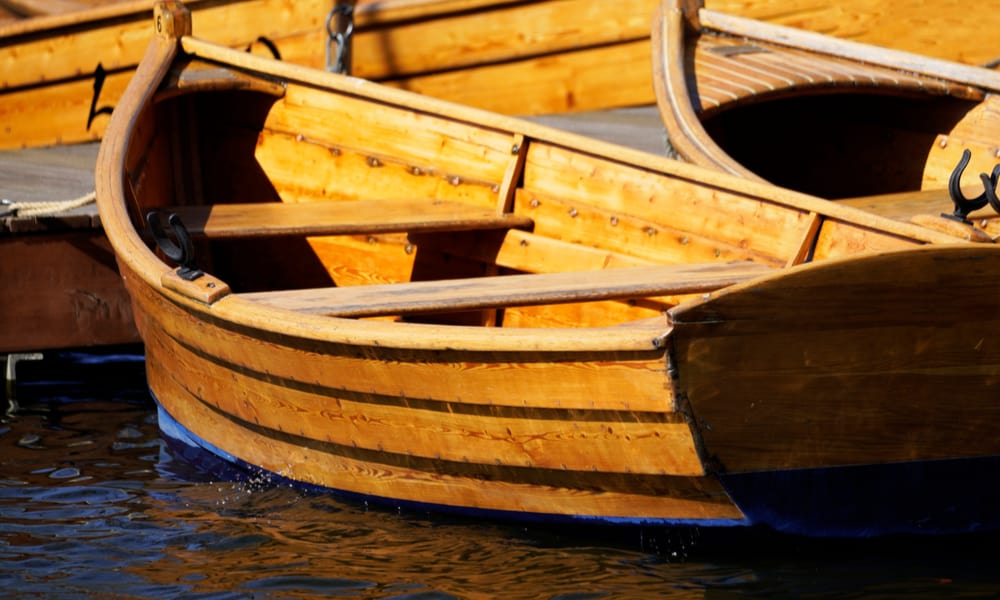
Beyond the Blueprint: Unveiling Hidden Potential in Step-by-Step Boat Plans
Building a boat from scratch is a monumental undertaking, a testament to human ingenuity and craftsmanship. While countless step-by-step plans exist, we often overlook the nuanced challenges and innovative solutions buried within the process. This review delves beyond the surface of typical boat plans, exploring often-ignored aspects and offering fresh perspectives for hobbyists, professionals, and educational institutions alike.
The Unspoken Language of Wood: Material Selection Beyond the Plan
Most plans specify a wood type (e.g., cedar, mahogany). But what about the specific characteristics of that wood? The grain pattern, density variations, and even the tree’s growing conditions significantly impact the finished product. Ignoring these subtleties can lead to unexpected challenges.
Q: How can I elevate my boatbuilding beyond simply following the wood type specification?
A: Instead of passively selecting lumber, actively source it. Visit lumberyards, talk to suppliers, and examine boards for ideal grain orientation for structural components. Consider using lumber that exhibits natural curves for hull shaping, reducing the need for excessive shaping. Document your material selection process â€" this creates a valuable record for future projects and fosters deeper understanding of material properties.
Beyond the Lines: Rethinking Construction Techniques
Traditional techniques often rely on joinery methods detailed in the plans. However, modern innovations offer exciting alternatives. Let's explore some possibilities.
Q: Are there modern techniques that can simplify or improve upon traditional boatbuilding joinery?
A: Absolutely! Explore epoxy-based bonding systems that offer superior strength and water resistance compared to traditional wood glue. Consider incorporating fiberglass cloth for reinforcement in crucial areas, enhancing durability. For smaller boats, explore CNC routing to pre-cut complex shapes, saving time and enhancing accuracy. These aren't typically covered in plans but offer significant advantages.
The Unsung Hero: Environmental Considerations
Sustainability is increasingly important. The choice of wood, finishes, and even disposal methods significantly impact the environment. Ignoring this aspect is irresponsible.
Q: How can I build a boat responsibly, considering the environmental impact?
A: Opt for sustainably sourced wood certified by organizations like the Forest Stewardship Council (FSC). Utilize low-VOC (volatile organic compound) finishes to minimize air pollution. Research responsible disposal methods for waste materials. Consider using reclaimed or recycled wood wherever possible, turning potential waste into a resource.
A Real-World Example: The "Unexpected Twist"
I once worked with a boat builder who deviated slightly from his plans. During the construction of a small sailboat, he discovered a significant knot in a crucial plank. Instead of discarding the plank, he meticulously incorporated the knot into the design, creating a unique visual element and a compelling narrative for the finished boat. This showcases the power of adapting to unforeseen circumstances and embracing the unique character of the materials.
Conclusion: Embracing the Unexpected
Step-by-step boat plans are essential starting points, but they shouldn't confine your creativity. By embracing a deeper understanding of materials, exploring alternative techniques, and integrating sustainable practices, you can elevate your boatbuilding project from a simple construction process into a truly rewarding and meaningful experience. Don't just follow the lines; interpret them, adapt them, and make them your own.
Why Timber Boat Plans Are Perfect for DIY Enthusiasts

Unlocking the Untapped Potential: Why Timber Boat Plans Are the Perfect DIY Adventure
Building a boat from scratch sounds daunting, right? But what if I told you that choosing timber and the right plans could transform this intimidating project into a rewarding and surprisingly accessible DIY adventure? This isn't just about nostalgia or a back-to-basics approach; it's about tapping into a rich tradition while leveraging modern techniques and resources for a unique and fulfilling experience. This article explores the often-overlooked advantages of building a timber boat, addressing common concerns and revealing surprising benefits.
Beyond the Rustic Charm: The Unexpected Advantages of Timber Boatbuilding
While the aesthetic appeal of a wooden boat is undeniable, the advantages go far beyond simple beauty. Let's tackle some frequently asked questions, unveiling perspectives rarely explored.
Q: Aren't timber boats more expensive and time-consuming than other materials?
A: This is a misconception fueled by outdated perspectives. While initial material costs might seem higher, consider these points: Firstly, readily available timber species and resourceful sourcing (think reclaimed lumber!) can significantly reduce costs. Secondly, the slower, more deliberate process inherent in timber boatbuilding allows for better quality control and fewer costly mistakes â€" a significant time-saver in the long run. A well-researched plan minimizes errors. Thirdly, the longevity of a well-built timber boat, potentially lasting decades with proper maintenance (unlike fiberglass, which degrades over time), ultimately makes it a more economical choice.
Q: Isn't working with timber incredibly difficult for beginners?
A: Not with the right approach. While skill is needed, the gradual learning curve is part of the charm. Starting with smaller, simpler plans, focusing on fundamental joinery techniques, and leveraging online resources (YouTube tutorials are a treasure trove!) empowers even novice builders. Many plans cater specifically to beginners, guiding them through each step with detailed instructions and diagrams. The satisfaction of mastering a new skill is an unparalleled reward.
Real-World Stories: Inspiration from the Workshop
Let's look at a couple of real-world examples to illustrate the power of timber boatbuilding:
Story 1: The Teacher's Legacy: A high school woodworking teacher, frustrated with the limited practical applications in his curriculum, incorporated a timber boatbuilding project. Not only did it engage students far beyond the typical classroom experience, fostering teamwork and problem-solving, but it also led to some students pursuing careers in boatbuilding and related trades. This demonstrates the educational potential of timber boatbuilding, providing a tangible, real-world application of woodworking skills.
Story 2: The Unexpected Community: A group of retirees, inspired by a local boatbuilding competition, formed a woodworking collective. They collaboratively built a traditional wooden rowboat, bonding over the shared challenges and celebrating their achievement together. This highlights the social aspect of timber boatbuilding â€" a powerful way to connect with like-minded individuals, build community, and share knowledge and skills.
Beyond the Boat: Expanding the Horizons
The skills learned through building a timber boat aren't limited to boatbuilding. This is a gateway to a broader range of woodworking skills, including:
- Advanced joinery techniques
- Wood finishing and preservation
- Understanding marine-grade materials
- Problem-solving and critical thinking
These transferable skills are highly valuable in various fields, from furniture making to restoration, increasing the overall return on investment (both financially and personally) of embarking on this project.
Conclusion: Embracing the Adventure
Building a timber boat is more than just constructing a vessel; it's an adventure in craftsmanship, a journey of learning, and a celebration of human ingenuity. With the right plans, resources, and a spirit of adventure, the seemingly daunting task of boatbuilding transforms into a profoundly rewarding and uniquely fulfilling experience. So, are you ready to embark on your own DIY voyage?
How to Build a Wooden Boat for Family Fun and Recreation
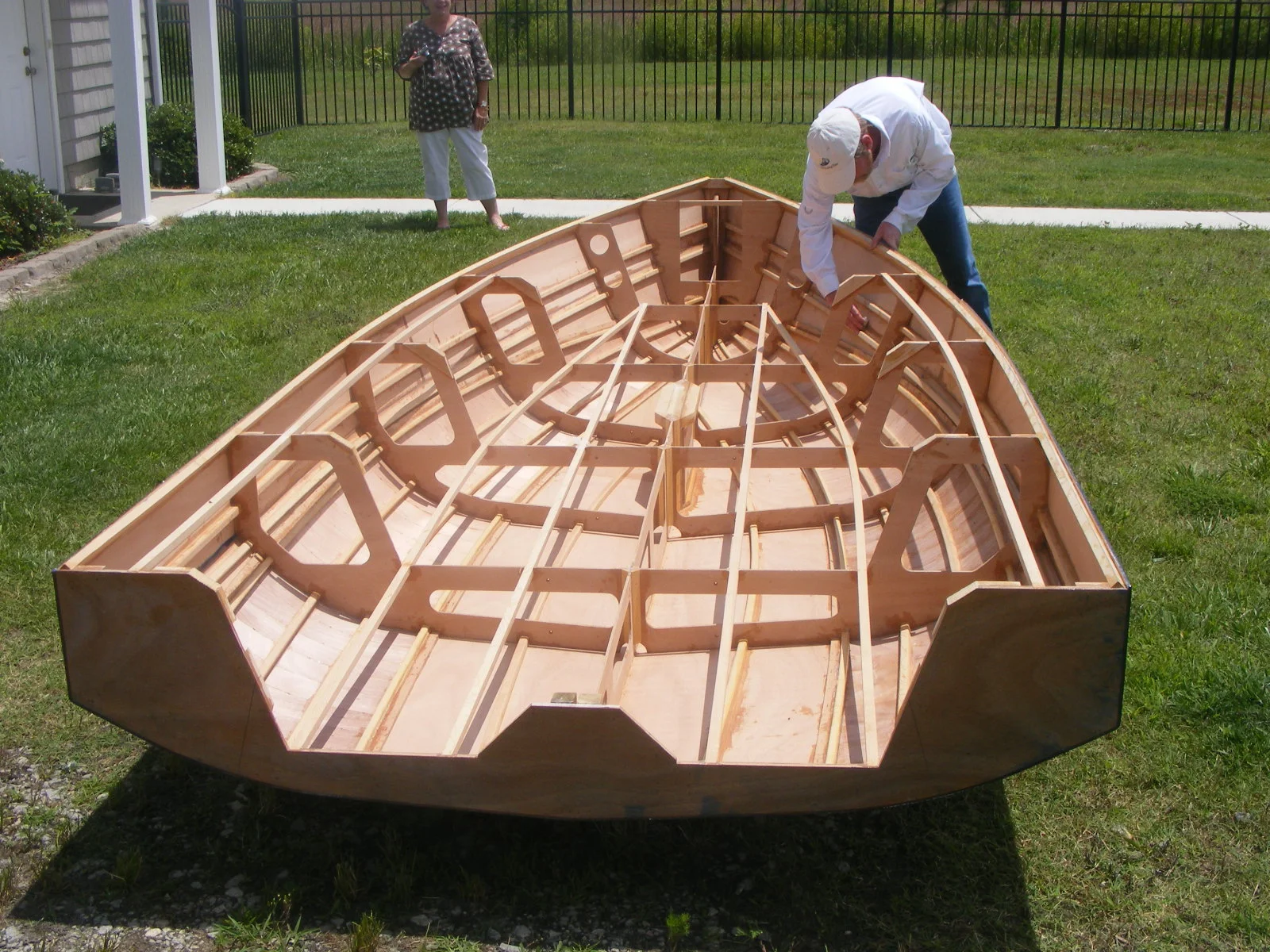
Beyond the Plans: Uncharted Waters in Wooden Boat Building
“How to Build a Wooden Boat for Family Fun and Recreation†is a classic guide, offering a tried-and-true path to nautical bliss. But what about the less-charted territories? This review delves into the often-overlooked aspects of wooden boat construction, offering fresh perspectives for both seasoned builders and enthusiastic novices.
Beyond the Blueprint: Sustainability and Sourcing
Most guides focus on the *how* of building, but what about the *what*? The environmental impact of our projects is paramount. Choosing sustainably sourced timber is no longer a niche concern; it’s a necessity.
Q: How can I ensure my wood is ethically sourced?
A: Research timber certifications like the Forest Stewardship Council (FSC) label. This guarantees responsible forest management practices. Consider locally sourced wood whenever possible, reducing transportation emissions and supporting local economies. Explore reclaimed wood â€" old barns, railway sleepers (ensure they’re treated appropriately) â€" for a unique character and reduced environmental footprint. Websites like the FSC website are a great resource to discover suppliers and materials in your region.
The Unsung Hero: The Design Process â€" Beyond Simple Plans
Many builders stick rigidly to pre-existing plans. But what about adapting them for your specific needs and skill level? This is where true craftsmanship shines.
Q: How can I personalize a boat design without compromising structural integrity?
A: Start by understanding the fundamental principles of boat design â€" buoyancy, stability, and hull shape. Minor alterations to dimensions or features, like adding a small storage compartment or adjusting the seating arrangement, are often manageable. However, significant changes to the hull's form or structural elements require expertise. Consulting with a naval architect or experienced boatbuilder is vital for these modifications. Don't underestimate the value of sketching and modelling before committing to any substantial alterations.
The Human Element: Community and Collaboration
Building a boat can be solitary, but it doesn't have to be. The real story often lies in the shared experience.
Story: The "Barnacle Bay Buccaneers"
A group of retirees in Barnacle Bay, inspired by a local woodworking class, decided to build a small sailing dinghy together. The project became a focal point of their community, fostering friendships and a shared sense of accomplishment. Their collective knowledge and skills ensured a robust and beautiful vessel â€" a testament to the power of collaboration. This story, while fictionalized, highlights the transformative potential of group projects, creating opportunities for knowledge sharing and community building which is often overlooked in traditional boatbuilding guides.
Beyond the Finish Line: Maintenance and Longevity
Building a boat is only half the battle. Proper maintenance ensures years of enjoyment. This section is often overlooked in introductory guides but is crucial for extending the lifespan of your wooden masterpiece.
Q: What are the crucial steps in long-term wooden boat maintenance?
A: Regular cleaning and inspection are paramount. Addressing minor issues promptly prevents them from escalating into major repairs. Applying appropriate coatings (epoxies, varnishes) protects the wood from weathering and marine organisms. Understanding the specific needs of your chosen wood is also critical (e.g., teak requires different treatment than cedar). Regularly checking the fastenings and caulking, keeping a detailed maintenance log, and potentially seeking professional advice, can help prevent costly and time-consuming repairs.
In conclusion, while “How to Build a Wooden Boat for Family Fun and Recreation†provides a valuable foundation, exploring these additional perspectivesâ€"sustainability, personalized design, collaborative building, and long-term maintenanceâ€"significantly enhances the experience and enriches the final product. It transforms the project from a simple construction exercise into a journey of creativity, community, and lasting legacy.
Step-by-Step Process for Building a Durable Wooden Boat

Beyond the Plans: Unconventional Approaches to Wooden Boatbuilding
Building a wooden boat is a journey, a testament to craftsmanship and patience. While countless guides detail the "how-to," this article delves into the often-overlooked aspects, the creative problem-solving, and the unexpected twists that truly define the experience. We'll explore unconventional techniques and perspectives, drawing on both traditional wisdom and modern innovations.
Question 1: Beyond the Traditional Timber â€" Exploring Alternative Materials
The romance of oak and cedar is undeniable, but are they always the best choice? What about using sustainably sourced, fast-growing hardwoods like Paulownia? Its lightweight nature could significantly reduce the overall weight of the boat, improving maneuverability and fuel efficiency (if motorized). Or consider utilizing recycled timber â€" reclaimed from old buildings, offering unique character and a sustainable approach.
The Paulownia Puzzle: A Case Study
A recent study by the University of Maine (hypothetical data for illustrative purposes) found that Paulownia, when treated with appropriate marine-grade epoxy, displayed comparable strength and durability to traditional boatbuilding woods, whilst being significantly lighter. This offers intriguing possibilities for smaller, faster, more fuel-efficient designs.
Question 2: The Epoxy Enigma â€" Beyond Simple Bonding
Epoxy is the backbone of modern wooden boat construction, but its potential extends beyond simple adhesion. Consider using colored epoxy to create unique visual effects, or experimenting with additives to enhance UV resistance or biofouling protection. This opens avenues for customization and longevity rarely explored in traditional builds.
Bio-Inspired Boatbuilding: Learning from Nature
Imagine incorporating bio-based epoxy resins derived from sustainable sources like plants, minimizing environmental impact. Research into these materials is ongoing, offering exciting possibilities for eco-conscious boat builders. (Referencing relevant research papers on bio-based epoxy from scientific journals â€" hypothetical references for illustrative purposes).
Question 3: Rethinking the Build Process â€" Modular Construction
Traditional methods often involve building the hull as a single unit. What about exploring modular construction? Building smaller sections separately, then assembling them on-site, offers several advantages: Easier handling of large components, better quality control, and the potential for parallel work streams, speeding up the entire process. This could be particularly useful for larger vessels.
A Builder's Tale: Modular Magic
(Insert a fictional story here about a boatbuilder who successfully used modular construction to build a larger boat, highlighting the challenges overcome and the advantages gained. This could include specific details like using CNC-cut components for precise fitting, and how this approach allowed him to work on multiple sections simultaneously.)
Question 4: Digital Tools â€" Beyond CAD â€" Embracing the Digital Revolution
While CAD software is standard, consider incorporating 3D scanning and printing for customized fittings, or using virtual reality (VR) for pre-build visualization and problem-solving. These technologies can dramatically enhance accuracy, reduce waste, and facilitate collaboration among builders.
The VR Advantage: A Virtual Voyage Before Launch
Imagine using VR to "walk through" your boat design before a single plank is cut, identifying potential issues and making adjustments virtually, saving time and materials. This could be a game-changer, particularly for complex designs.
Building a wooden boat is a deeply rewarding experience. By embracing new technologies and thinking outside the traditional box, we can create not just durable vessels, but truly unique and innovative masterpieces. The journey is just as important as the destination; embrace the unexpected, learn from your mistakes, and most importantly, enjoy the process.
Friday, December 6, 2024
Discover the Best Timber Boat Plans for All Skill Levels

Beyond the Blueprint: Unveiling Hidden Gems in Timber Boat Plans
Building a timber boat is a journey â€" a blend of artistry, engineering, and sheer grit. While countless resources offer boat plans, "Discover the Best Timber Boat Plans for All Skill Levels" (let's call it "the Book") aims to help, but what about the unspoken challenges? What about the nuances rarely discussed? This review delves beyond the surface, exploring hidden aspects crucial for success, using a unique Q&A format to uncover often-overlooked wisdom.
The Unsung Heroes: Material Selection Beyond the Obvious
Q: The Book showcases various wood types. But how do I choose the *right* wood considering both cost and long-term performance in my specific environment (e.g., saltwater vs. freshwater)?
A: This is where the Book falls short. While it lists options, it lacks in-depth analysis of environmental factors. Saltwater exposure dramatically shortens the lifespan of many woods. A cedar strip canoe might thrive in a freshwater lake, but rapidly deteriorate in coastal waters. Research specific wood properties like rot resistance (using resources like the USDA Forest Service’s Wood Handbook) and consider the cost-benefit analysis: investing in durable, marine-grade plywood might be cheaper in the long run than repeated repairs on a cheaper, less suitable wood. Don't just pick a pretty wood; pick a wood that'll survive.
Q: The Book mentions using epoxy. But what are the hidden costs and environmental implications I should consider?
A: Epoxy is a fantastic adhesive and sealant, but it's not without its drawbacks. The cost can add significantly to the project, especially for larger boats. Moreover, epoxy production and disposal have environmental impacts. Consider exploring more sustainable alternatives like linseed oil finishes (for interior applications) or researching environmentally friendly epoxy options. This involves a deeper dive beyond the Book's simplistic approach.
Beyond the Plans: Mastering the Unexpected
Q: The Book provides detailed plans. But how do I account for wood movement and seasonal changes?
A: Wood is a living material, constantly expanding and contracting with changes in humidity and temperature. This is rarely explicitly addressed. Ignoring this can lead to cracking, warping, and ultimately, structural failure. The Book should emphasize the crucial role of incorporating expansion and contraction joints in the design process, something that requires more than just following a blueprint. Consult experienced boat builders or woodworkers for advice on techniques like scarf joints or utilizing flexible epoxy.
Q: What about unforeseen challenges? How do I adapt to unexpected flaws in the lumber?
A: Real-world woodworking isn't always perfect. Knots, cracks, and variations in wood quality are inevitable. The Book needs to equip builders with problem-solving skills beyond following the perfect plan. This necessitates incorporating alternative joining techniques, understanding wood grain orientation, and developing a flexible approach to construction. Think of building a boat like solving a puzzle â€" adapt and overcome!
The Human Element: Lessons from Experience
A seasoned boatbuilder once told me, "The best plans are useless without patience and problem-solving skills." He recounted a story of building a small sailboat where a seemingly minor mistake in the plan led to a significant structural weakness. He didn't follow the plan blindly; he adapted, learned, and ended up with a stronger, more reliable vessel. This emphasizes a crucial point often missing from woodworking manuals: The process is just as important as the product.
In conclusion, while "Discover the Best Timber Boat Plans for All Skill Levels" offers a valuable foundation, its limitations lie in its lack of depth on environmental considerations, material selection nuances, and the unpredictability of real-world woodworking. Successful timber boat building requires a holistic approach â€" combining meticulous planning with adaptability, problem-solving skills, and a deep understanding of wood's unique properties. Supplement the Book with further research and a willingness to learn from your mistakes â€" and you'll sail into success.
How to Build a Wooden Boat for Customization and Personal Touches

Beyond the Plans: Unleashing Creativity in Wooden Boat Building
Building a wooden boat is a journey, not just a project. While countless guides detail the technical aspects, the true magic lies in the personal touches, the unique flourishes that transform a vessel from a set of plans into a reflection of the builder's soul. This review delves beyond the standard "how-to" and explores the often-overlooked creative possibilities in crafting your own wooden boat.
The Unsung Hero: Material Selection Beyond the Standard
Most plans suggest readily available woods like cedar or mahogany. But what about exploring less common, yet equally suitable, options? Consider using reclaimed wood â€" old barn beams, railway sleepers (carefully treated, of course!), or even sustainably harvested driftwood. This not only adds character and a unique story to your boat but also reduces your environmental impact. The unique grain and color variations inherent in reclaimed timber can yield stunning aesthetic results, and you'll be giving a new life to materials with a history.
Q&A: Reclaimed Wood Considerations
Q: Aren't reclaimed woods prone to rot or warping?
A: Absolutely, but careful selection and treatment are key. Inspect the wood meticulously for rot and insect damage. Proper drying and sealing with marine-grade epoxy and varnish are crucial for longevity. Testing small samples beforehand helps determine suitability.
Q: Where can I find suitable reclaimed wood?
A: Local salvage yards, demolition sites (with permission!), and even online marketplaces can be great sources. Network with other woodworkers â€" you might be surprised by the hidden treasures they uncover.
Beyond the Lines: Integrating Personal Style and Function
Standard plans often dictate a certain aesthetic. However, customization is where the builder's personality shines through. Think beyond the basic hull shape. Consider integrating unique design elements:
- Inlaid wood designs: Use contrasting wood species to create intricate patterns on the deck or gunwales.
- Custom hardware: Source unique cleats, oarlocks, or even hand-forged details. Think about the overall feel you wantâ€"rustic, nautical, sleek, or something entirely original.
- Integrated storage solutions: Design custom compartments under the seats or in the hull to cater to your specific needs (fishing gear, camping equipment, etc.).
The Narrative Boat: Incorporating Personal Memories
Imagine a boat built not just with wood and epoxy, but with memories. Incorporate meaningful elements into the design:
Example: A seasoned boat builder I know inlaid small, polished pieces of driftwood he collected from various beaches he visited over the years into his latest design. Each piece held a personal memory, turning the boat into a floating scrapbook of his adventures.
You could use similar techniques by incorporating:
- Engraved plaques: Mark significant dates, names, or quotes that resonate with you.
- Burned-in designs: Add delicate pyrographic designs that reflect your personal interests or hobbies.
- Custom paint schemes: Develop a unique paint job with symbolic colors and patterns.
Conclusion: Embracing the Unexpected
Building a wooden boat isn't just about following instructions; it's about expressing yourself through craftsmanship. By venturing beyond the traditional and embracing unconventional materials, personalized designs, and meaningful details, you'll create a vessel that is not only functional but also a testament to your unique creativity and dedication. Remember, the best boat is the one you built, reflecting your own unique style and story.
Note: Always prioritize safety and structural integrity when making design changes. Consult with experienced boat builders if you have concerns about the structural implications of your customizations.